


Rust Protection for Precision Components
Precision parts cannot afford pitting. They need a film that is reliable, dry to the touch and easy to remove.
What puts metal at risk
Corrosion in this sector rarely has a single cause. These are the conditions we see most often.
Tight tolerances
A film that is too thick can affect fit.
Handling
Fingerprints and rubbing damage thin films.
Dust
Sticky films trap contamination.
Multiple metals
Magnesium, steel and plated surfaces on one assembly.
Long storage
Spare precision parts can wait years.
Cleaning
Films must wash off before assembly.
Matching the grade to the part
Start with the part and the process; the grade follows.
| Part / situation | Recommended grade | Why |
|---|---|---|
| Precision parts in long storage | KG-8 | Dry, non-tacky, 3–5 years |
| Plated or phosphated components | KG-2C / KG-3C | Light oil feel |
| Magnesium alloy parts | KGY-1 / KGY-2 | Colorless hard film |
| Precision equipment parts for export | KG-1 | About 20 µm film |
Products for this application
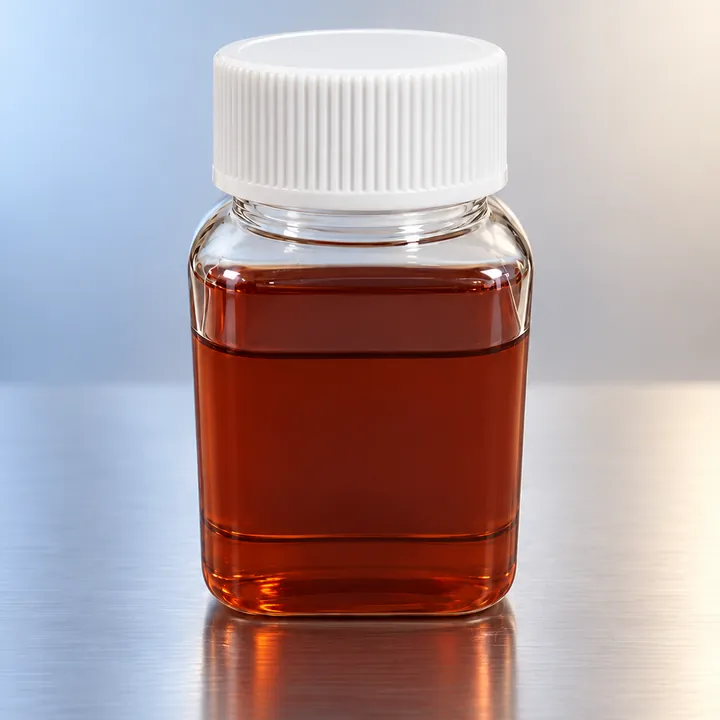
Long-Term Storage Fast-Drying Rust Preventive Oil
- 3–5 years of protection for precision parts
- Withstands seawater and salt spray
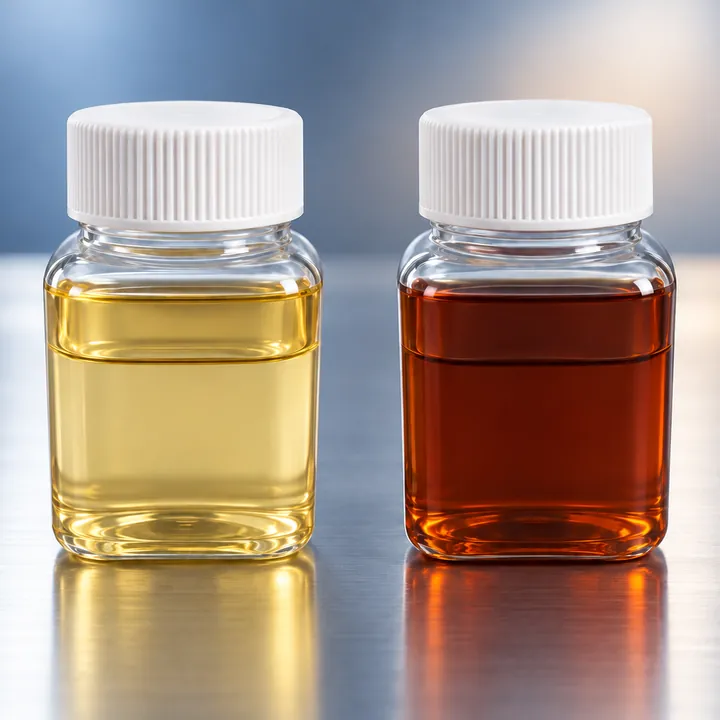
Fast-Drying Rust Preventive Oil for Plated & Phosphated Surfaces
- Seals plated, black oxide and phosphated surfaces
- Light oil feel
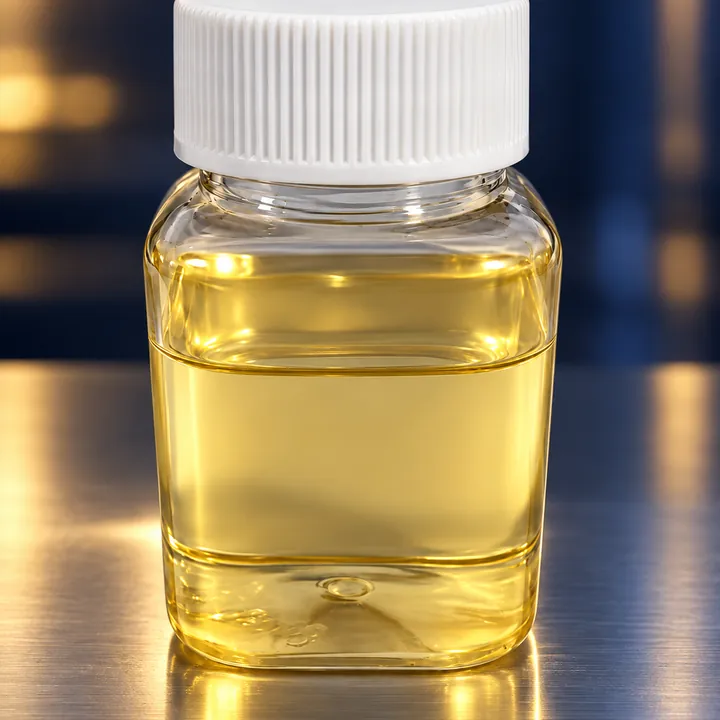
Hard-Film Rust Preventive Oil
- Colorless and transparent
- Suitable for many metals
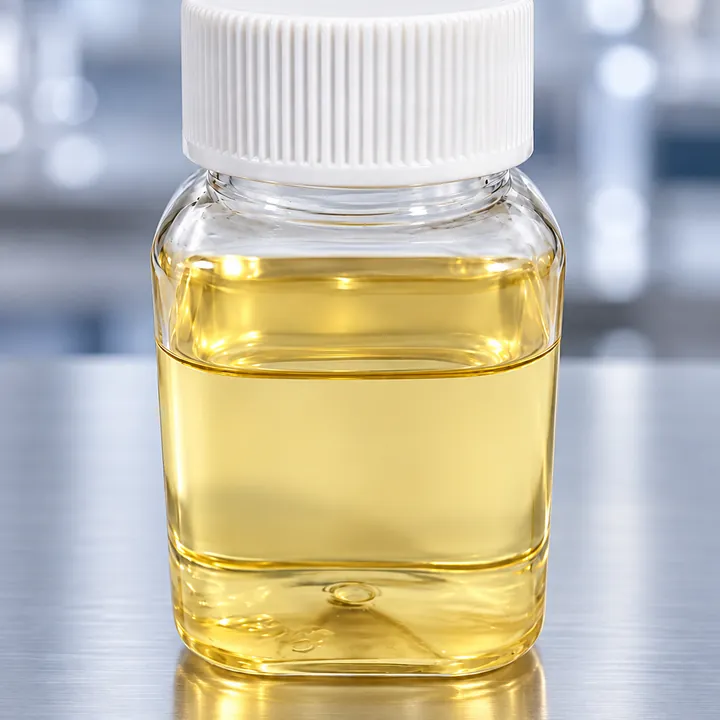
Fast-Drying Rust Preventive Oil for Equipment
- Approx. 20 µm film
- 2–4+ year protection period
Typical parts
- Bearings and shafts
- Plated hardware
- Magnesium alloy parts
- Instrument and equipment parts

Frequently asked questions
Does the film affect fit?
Films are thin (KG-1, for example, is about 20 µm). Remove the film before final assembly.
What about magnesium alloys?
The KGY hard-film series is designed to give better results on magnesium alloys.
Is the surface dry?
KG-8 is non-tacky and does not attract dust.
Can I protect parts for years?
KG-8 is rated for 3–5 years on precision parts.
How do I remove the film?
With solvent or alkaline cleaning according to the grade.
Protect your components with confidence
Tell us the metal, the process and the protection period you need — a corrosion protection specialist will recommend a grade and arrange samples.