


Rust Protection for Export Shipping
An export shipment can spend two months in containers and ports. Choose the film and the packing for the longest route.
What puts metal at risk
Corrosion in this sector rarely has a single cause. These are the conditions we see most often.
Container condensation
Day–night temperature swings drive condensation onto cold metal.
Salt air
Port and sea air carries chlorides.
Transit time
Weeks of sailing plus customs delays.
Rough handling
Films must tolerate lifting and rubbing.
Customer unpacking
Parts must arrive clean and ready to use.
Regulations
Check the documentation required for each destination.
Matching the grade to the part
Start with the part and the process; the grade follows.
| Part / situation | Recommended grade | Why |
|---|---|---|
| Large machinery and equipment | KG-1 | Designed for export equipment |
| Precision parts, long routes | KG-8 | 3–5 years, salt-spray resistant |
| Heavy castings | KG-9 | Thick wax film |
| Steel parts in bags | KG-2 / KG-3 | 2–3 years with plastic-bag packing |
Products for this application
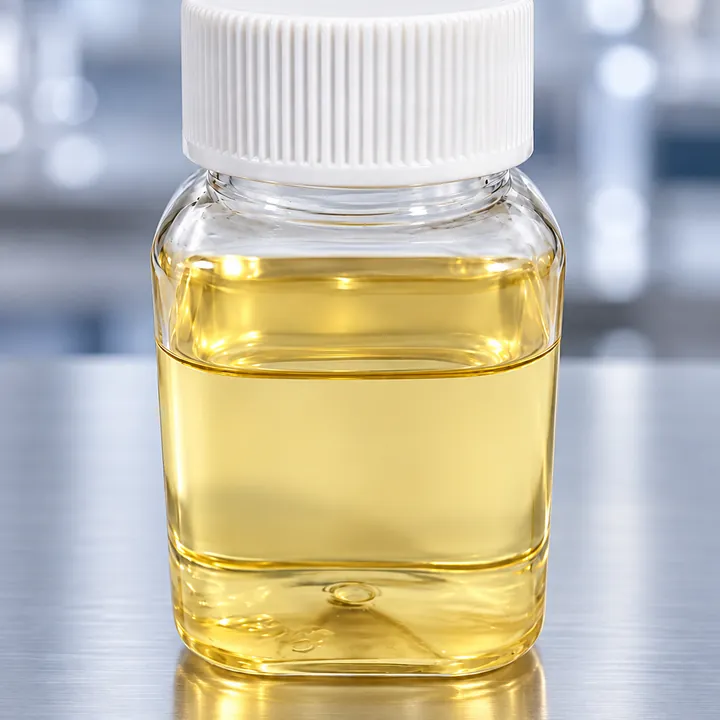
Fast-Drying Rust Preventive Oil for Equipment
- Approx. 20 µm film
- 2–4+ year protection period
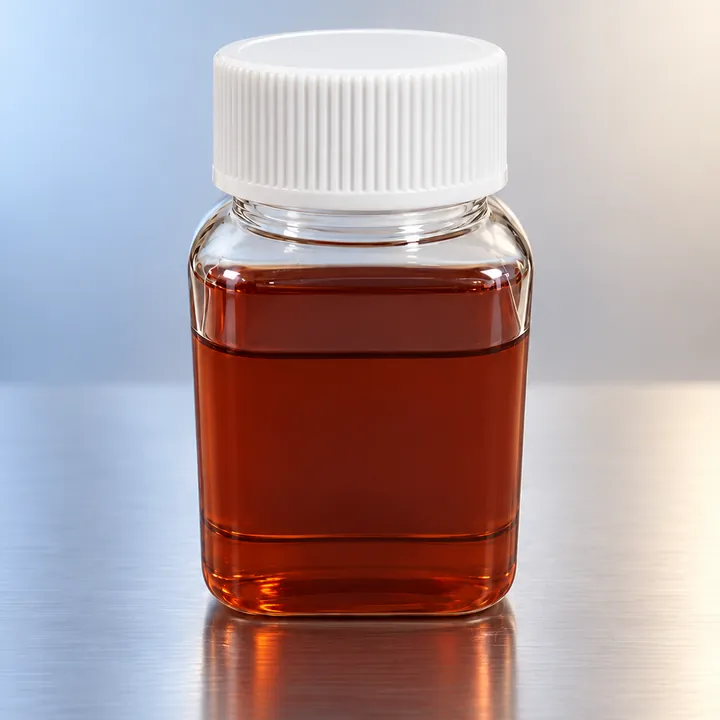
Long-Term Storage Fast-Drying Rust Preventive Oil
- 3–5 years of protection for precision parts
- Withstands seawater and salt spray
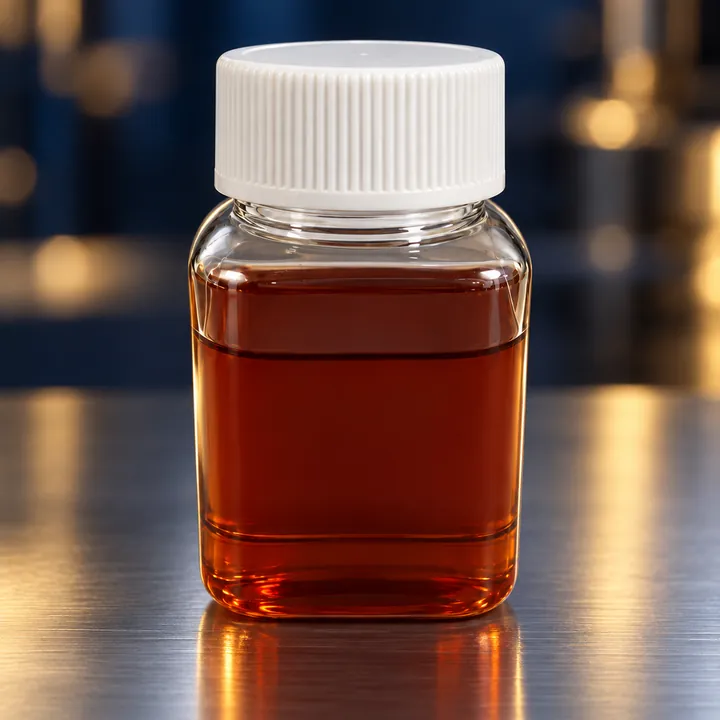
Wax-Film Rust Preventive Oil
- Thick solid wax film
- Non-tacky and dust-resistant
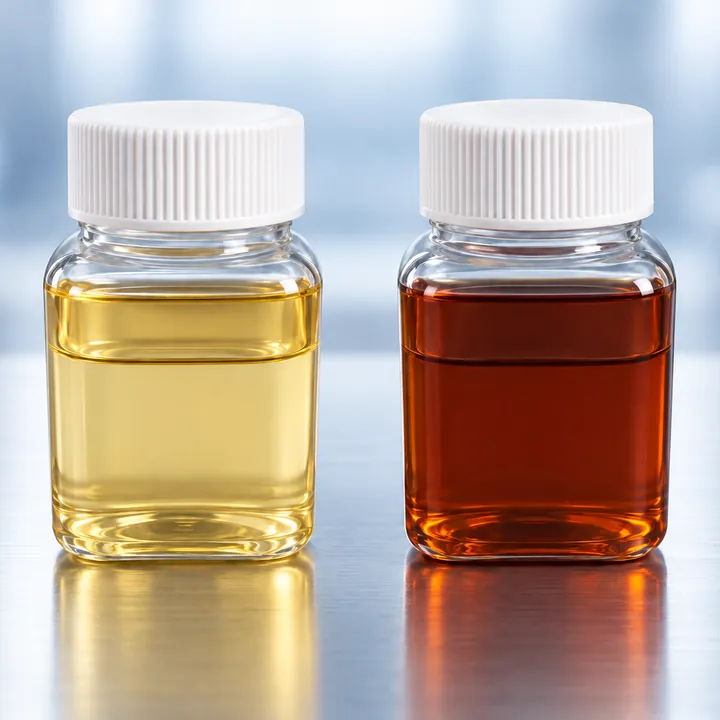
Fast-Drying Rust Preventive Oil for Steel, Copper & Aluminum
- 1–2 years of protection; 2–3 years with plastic-bag packing
- Dense, thin film once the solvent evaporates
Typical parts
- Machinery exports
- Spare parts for overseas customers
- Large castings
- Precision components

Frequently asked questions
How long should export protection last?
Plan for the longest route plus storage at destination — often 6–12 months or more.
Do I need an SDS for shipping?
Request the SDS for the grade you ship. Documentation requirements depend on the destination and the carrier, so confirm them before booking.
Is a plastic bag enough?
A bag adds protection, but it works best on top of a proper rust preventive film.
What pack sizes are available?
Standard packs are 28 L and 195 L steel drums (KG-9: 30 L).
Will you ship samples abroad?
Tell us your destination and we will confirm how samples can be sent.

Protect your components with confidence
Tell us the metal, the process and the protection period you need — a corrosion protection specialist will recommend a grade and arrange samples.